

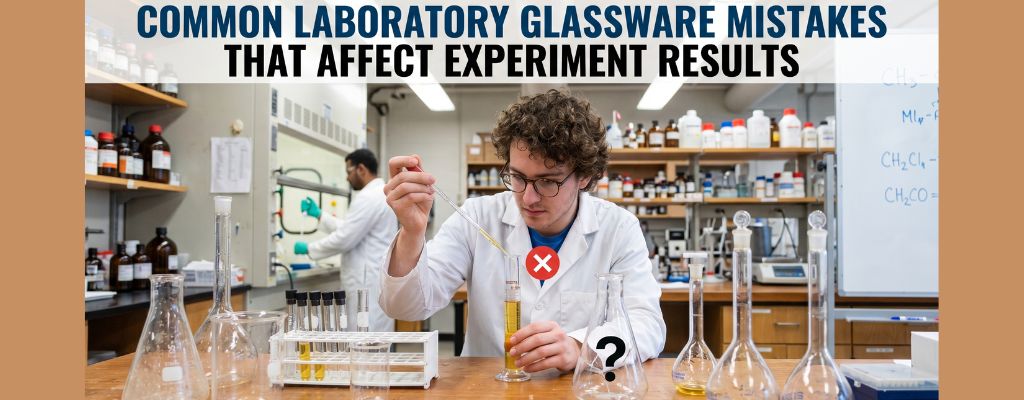
In every laboratory, accuracy is one of the most important factors for successful experiments and reliable research. Even small mistakes in handling or using laboratory glassware can affect measurements, contaminate samples, or produce incorrect results. While modern laboratories use advanced instruments and technology, the quality and proper use of laboratory glassware still play a critical role in scientific testing.
In 2026, laboratories across industries such as pharmaceuticals, biotechnology, healthcare, education, and chemical manufacturing rely heavily on precision equipment for daily operations. This is why choosing products from a trusted scientific glassware manufacturer and experienced laboratory equipment supplier is essential for maintaining high testing standards.
Unfortunately, many laboratories continue making avoidable glassware mistakes that negatively impact research quality and experiment accuracy. Understanding these common errors can help laboratories improve efficiency, safety, and consistency.
Using the Wrong Type of Glassware
One of the most common mistakes is selecting the wrong glassware for a specific experiment. Different laboratory procedures require different types of equipment designed for unique applications.
For example:
- Volumetric flasks are designed for precise measurements
- Beakers are better for mixing and heating
- Test tubes are suitable for small-scale reactions
Using general-purpose glassware for precision measurements can lead to inaccurate experimental results.
A reliable scientific glassware manufacturer provides specialized products designed for different laboratory requirements, ensuring better experiment accuracy.
Ignoring Calibration Accuracy
Many laboratory professionals overlook calibration markings on glassware. Over time, repeated heating, washing, or improper handling may affect measurement accuracy.
If measuring equipment such as:
- Pipettes
- Burettes
- Measuring cylinders
- Volumetric flasks
becomes damaged or worn out, experiment results may become inconsistent.
Regular calibration checks help laboratories maintain precise measurements and reduce testing errors.
Improper Cleaning of Glassware
Dirty or poorly cleaned glassware is one of the leading causes of sample contamination in laboratories.
Chemical residues, dust particles, oils, or leftover substances from previous experiments can interfere with reactions and affect research accuracy.
Common cleaning mistakes include:
- Using unsuitable detergents
- Incomplete rinsing
- Air-drying contaminated equipment
- Reusing glassware without inspection
Proper cleaning protocols are essential for maintaining reliable scientific results.
Professional laboratories often source durable products from a trusted laboratory equipment supplier to ensure easier cleaning and long-term usability.
Using Damaged or Cracked Glassware
Small cracks or scratches may seem harmless, but they can create serious laboratory risks.
Damaged glassware may:
- Break during heating
- Leak chemicals
- Affect measurements
- Cause contamination
Using cracked equipment also increases the risk of injury for laboratory staff.
Laboratories should inspect glassware regularly and replace damaged items immediately to maintain safe working conditions.
Exposing Glassware to Sudden Temperature Changes
Thermal shock is another major issue in laboratories. Moving hot glassware directly into cold water or exposing cold glassware to sudden heat can cause cracking or shattering.
This is especially common when low-quality glassware is used.
High-quality borosilicate products supplied by an experienced scientific glassware manufacturer are designed to resist thermal shock and withstand rapid temperature changes safely.
Still, proper handling practices remain important even with premium glassware.
Incorrect Storage Practices
Improper storage can shorten the lifespan of laboratory glassware and increase breakage risks.
Common storage mistakes include:
- Stacking glassware improperly
- Overcrowded shelves
- Storing heavy items together
- Placing delicate equipment near edges
Organized storage systems help protect laboratory equipment and improve workplace safety.
Laboratories that invest in quality products from a reliable laboratory equipment supplier often benefit from stronger and more durable glassware designed for long-term use.
Using Low-Quality Laboratory Glassware
Some laboratories attempt to reduce costs by purchasing low-quality glassware. However, poor-quality products often create bigger problems over time.
Inferior glassware may:
- Break easily
- Contain manufacturing defects
- Provide inaccurate measurements
- React poorly with chemicals
Choosing certified laboratory products from a trusted scientific glassware manufacturer helps ensure consistent performance and better research outcomes.
Quality glassware is especially important in industries where precision is critical, such as pharmaceuticals and medical diagnostics.
Mishandling Volumetric Equipment
Volumetric glassware requires careful handling because even small errors can affect calculations and experiment results.
Common mistakes include:
- Reading measurements at incorrect angles
- Overfilling containers
- Using damaged pipettes
- Measuring liquids too quickly
Laboratory staff should always follow proper measurement techniques to improve testing accuracy.
Neglecting Chemical Compatibility
Not all laboratory glassware is suitable for every chemical application. Some chemicals can damage or weaken certain types of glass over time.
Failing to check chemical compatibility may result in:
- Corrosion
- Contamination
- Glass weakening
- Unexpected reactions
A professional laboratory equipment supplier can help laboratories select suitable glassware for different chemical environments.
Inadequate Staff Training
Even high-quality glassware can produce inaccurate results if laboratory personnel are not trained properly.
Common handling errors often occur because users:
- Rush experiments
- Ignore safety guidelines
- Use incorrect procedures
- Mishandle delicate equipment
Regular staff training improves:
- Laboratory safety
- Experiment consistency
- Equipment lifespan
- Research reliability
Importance of High-Quality Laboratory Equipment
Modern laboratories require durable and reliable equipment to support advanced research and industrial testing.
Trusted manufacturers now focus on producing:
- Heat-resistant glassware
- Chemically stable products
- Precision measurement tools
- Long-lasting laboratory equipment
Working with an experienced scientific glassware manufacturer ensures laboratories receive products that meet international quality standards.
Similarly, a dependable laboratory equipment supplier helps laboratories maintain efficient and safe operations by providing certified scientific equipment.
Why These Mistakes Matter More in 2026
Today’s laboratories handle increasingly complex research involving:
- Biotechnology
- Pharmaceuticals
- Chemical engineering
- AI-assisted diagnostics
- Medical research
Even small laboratory errors can affect:
- Product quality
- Research conclusions
- Regulatory compliance
- Patient safety
This makes proper glassware usage more important than ever before.
Final Thoughts
Laboratory glassware may appear simple, but it plays a critical role in scientific accuracy, safety, and research quality. Mistakes such as poor cleaning, using damaged equipment, incorrect measurements, or selecting low-quality products can significantly affect experiment results.
By investing in certified products from a trusted scientific glassware manufacturer and reliable laboratory equipment supplier, laboratories can improve testing precision, reduce contamination risks, and maintain safer working environments.
In 2026, as scientific research continues becoming more advanced, proper laboratory glassware handling and equipment quality remain essential for achieving accurate and dependable experimental outcomes.