Laboratory Glassware Cleaning & Maintenance Guide
Effective cleaning and maintenance of laboratory glassware is essential for scientific accuracy, safety, and long-term durability. Whether you work in pharmaceutical labs, clinical facilities, academic research, environmental testing, or industrial quality control, clean glassware ensures contaminant-free results and protects your investment in precision instruments.
This comprehensive guide covers everything you need to know – from why cleaning matters to practical procedures, detergent selection, equipment care, autoclaving, stain removal, safety protocols, and long-term storage.
Why Proper Cleaning Matters
Laboratory glassware serves as the foundation for measurement, chemical reactions, solution preparation, and sample storage. Poor cleaning can compromise:
- Accuracy of results: Residues alter solution concentrations and reactions.
- Safety: Chemical films or contaminants pose burn, explosion, or cross-reaction risks.
- Glassware longevity: Contaminants weaken structural integrity over time.
- Reproducibility: Inconsistent cleaning introduces variables into experiments.
Clean glassware reduces uncertainties and enhances reliability across all laboratory workflows.
Understanding Glassware Contamination
Contamination may arise from:
- Chemical residues
- Organic stains
- Protein deposits
- Microbial growth
- Hard water scale
- Particulates and dust
Identifying the type of contaminant helps determine the most effective cleaning method.
Types of Laboratory Glassware & Cleaning Needs
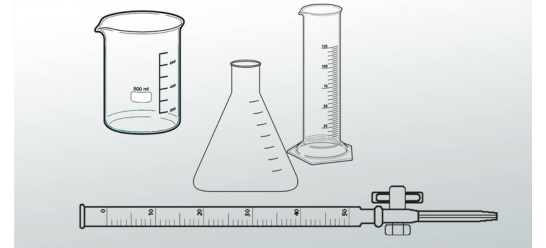
Measuring Glassware
- Pipettes
- Burettes
- Volumetric flasks
- Graduated cylinders
Requires the highest level of cleaning precision due to direct involvement in quantitative work.
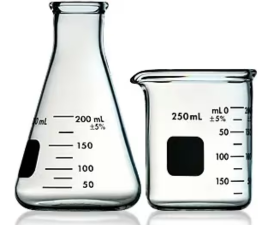
Reaction & Storage Glassware
- Beakers
- Erlenmeyer flasks
- Test tubes
- Bottles
Focus is on removing residual chemicals and films while avoiding damage.
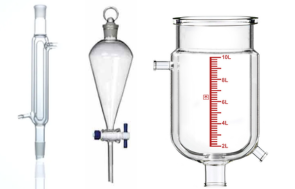
Distillation & Specialized Apparatus
- Condensers
- Separatory funnels
- Glass reactors
Complex geometry may require specialized brushes or soaking techniques.
Safety First – Personal Protective Equipment (PPE)
Before cleaning any glassware:
- Wear chemical-resistant gloves
- Use safety goggles / face shield
- Wear a lab coat or apron
- Use proper ventilation or fume hoods
- Be aware of chemical hazards
Safety is critical when handling corrosive residues or aggressive cleaning agents.
General Cleaning Protocol
Perform this basic sequence for most glassware:
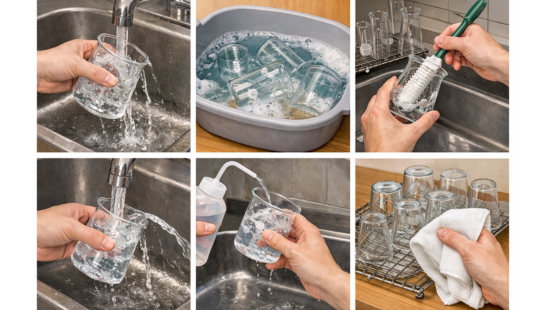
- Pre-Rinse: Rinse the glassware with tap water to remove visible residues.
Soak Detergent Solution
Use a mild laboratory detergent with warm water. Allow soaking 10-30 minutes.
Mechanical Cleaning
Use appropriate brushes (see section below) to scrub internal surfaces gently.
Rinse Thoroughly
Rinse with tap water followed by distilled water to remove all detergent traces.
Drying
Air dry on racks or use lint-free towels. Never use abrasive cloths.
Get In Touch
Have questions? Want a custom quote? Need help selecting the right products?
Choosing the Right Cleaning Agents
The cleaning agent you select depends on the type of residue:
Mild Detergents
- Suitable for general cleaning
- Non-corrosive
- Compatible with borosilicate glass
Example: Neutral pH lab detergents
Solvents
Used for organic or oily residues:
- Ethanol
- Acetone
- Isopropyl alcohol
⚠ Solvents must be used in well-ventilated areas due to flammability.
Acid Cleaning Solutions
Used for stubborn mineral or scale deposits:
- Dilute nitric acid
- Chromic acid (used with caution)
- Acetic acid rinse
⚠ Strong acids require specialized handling and PPE.
Alkaline Detergents
Useful for protein, grease, or biological residues:
- Sodium hydroxide solutions
- Calcium hypochlorite solutions
Caution: Alkaline solutions are corrosive – handle carefully.
Brushes & Cleaning Tools
Using the right tools prevents scratching and ensures complete cleaning:
| Tool | Use |
|---|---|
| Soft-bristle brushes | General cleaning |
| Long-shaft brushes | Cylinders, tubes |
| Pipe cleaners | Narrow necks |
| Bottle brushes | Flasks & graduated cylinders |
| Cotton swabs | Hard-to-reach areas |
| Ultrasonic cleaners | Deep residue removal |
Avoid using metal brushes, scouring pads, or abrasive tools that damage glass surfaces.
Stain Removal Techniques
Common lab stains require specialized approaches:
Organic Stains
Soak with:
- Ethanol
- Acetone
Follow with warm water & detergent rinse.
Mineral Stains / Hard Water Marks
Soak in mild acid solution:
- Dilute nitric or acetic acid
Rinse thoroughly with distilled water after treatment.
Protein / Biological Films
Use:
- Alkaline detergents
- Enzyme cleaners
- Heated water bath
Rinse thoroughly and dry.
Sterilization & Autoclaving
When to Autoclave
Autoclaving is ideal for:
- Microbiological glassware
- Culture tubes
- Bottles used in sterile work
Autoclave Best Practices
- Pre-clean before autoclaving
- Leave glassware slightly open to avoid pressure buildup
- Use appropriate autoclave racks
- Do not stack items tightly
- Dry thoroughly after sterilization
Drying & Storage Best Practices
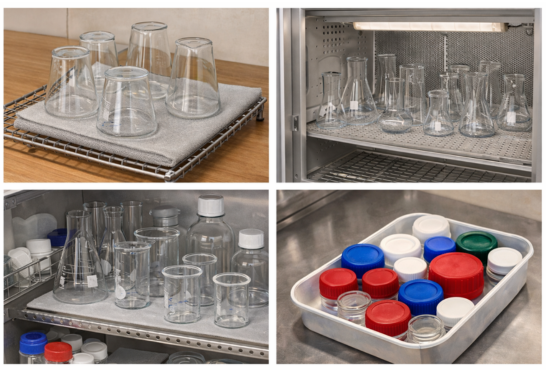
Drying Techniques
- Air dry on racks
- Dry in lint-free drying cabinets
- Avoid cloth towels which may leave fibers
Storage Tips
- Store glassware upright
- Use padded shelves or racks
- Avoid stacking fragile pieces
- Keep lids/caps accessible but separate
Proper storage prevents chipping and contamination.
Periodic Inspection & Replacement
Regularly inspect glassware for:
- Chips
- Cracks
- Cloudiness
- Etching
- Distorted markings
Replace damaged items. Even minor defects can compromise safety and measurement accuracy.
Waste Disposal & Environmental Practices
Proper disposal practices contribute to lab safety:
- Neutralize corrosive cleaning solutions before disposal
- Follow local hazardous waste regulations
- Recycle glass waste when possible
- Label waste containers clearly
Never pour strong acids or corrosive cleaners directly into drains without proper neutralization.
Specialized Cleaning Scenarios
Chromatography Glassware
Residual solvents and dyes require:
- Organic solvent rinses
- Repeated distilled water rinses
Pyrogen Testing Glassware
May need:
- High-temperature rinses
- Specialized detergents
- Endotoxin removal protocols
Get In Touch
Have questions? Want a custom quote? Need help selecting the right products?
Common Cleaning Mistakes To Avoid
❌ Using metal or abrasive brushes
❌ Skipping the distilled water rinse
❌ Leaving residues overnight
❌ Using incorrect chemicals without consulting compatibility guides
❌ Autoclaving wet or improperly drained glassware
Avoid these to maintain performance and longevity.
Cleaning Schedules & Documentation
Maintaining a cleaning schedule ensures consistency:
- Assign routines daily/weekly/monthly
- Document cleaning dates
- Record personnel responsible
- Note any issues
Documentation supports audits, quality systems, and compliance requirements.
Training & Standard Operating Procedures (SOPs)
Train all users on:
- Correct cleaning techniques
- Safety practices
- Chemical handling
- Autoclave operation
- Storage protocols
- Inspection criteria
Create SOPs specific to your lab’s glassware and workflows.
Troubleshooting Common Problems
Cloudy Glassware After Cleaning
Possible causes:
- Hard water deposits
- Improper rinsing
Solution: Soak in mild acid, rinse with distilled water.
Etched or Dull Glass
Etching is irreversible – glassware should be replaced.
Stains That Persist
Try:
- Solvent soak
- Enzyme cleaner
- Extended detergent soak
If staining persists, consider replacement.
Glassware Life Expectancy
With proper cleaning and maintenance:
- Quality borosilicate glassware can last years
- Frequent inspection extends service life
- Chipped or etched glassware should be retired immediately
Glassware Care in Special Environments
- Clinical Labs: Focus on sterilization and contamination control.
- Chemical Synthesis Labs: Focus on removing strong residues without scratching.
- Pharmaceutical Labs: Documentation and traceability are essential.
- Educational Labs: Rinse between classes with thorough detergent cleaning.
Summary – Clean Glassware = Reliable Results
Proper cleaning and maintenance:
- Ensures measurement accuracy
- Improves safety
- Extends glassware life
- Reduces contamination risks
- Supports audit compliance
- Enhances lab efficiency
Clean glassware is essential to professional laboratory practice in every context — from hospitals to industrial labs, from research institutes to academic classrooms.
Need Assistance with Your Glassware?
If you have questions about cleaning, maintenance, chemical compatibility, or product selection, our technical support team is here to help:
📧 Email: info@indosilica.in
📞 Phone: +91 930-643-1487