
Best Practices, Guidelines & Handling Tips for Scientific Environments
Laboratory glassware is an indispensable part of scientific work – but it also presents unique safety challenges. Proper handling, storage, maintenance, and usage protocols are essential to protect personnel, ensure experimental integrity, and prolong the life of your glassware.
At Indo Silica Works Pvt. Ltd., we understand how critical safety is in laboratory environments. That’s why we’ve compiled this comprehensive guide to help you foster a safer, more efficient workspace when using glassware.
🔎 Why Glassware Safety Matters
Laboratory glassware is made of materials like borosilicate that are designed to resist thermal and chemical stress – but these materials are not indestructible. Hazards can arise from:
-
Thermal shock (sudden temperature changes)
-
Mechanical stress (impact or bending)
-
Chemical interaction and corrosion
-
Incorrect handling or storage
-
Poor maintenance and cleaning practices
Safety protocols help prevent accidents, protect personnel, and preserve valuable experiments and equipment.
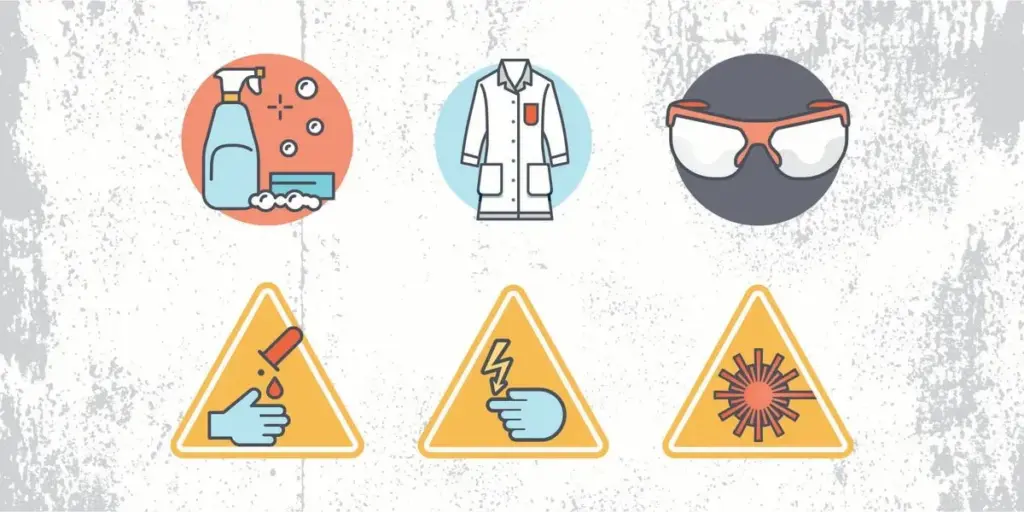
🧤 1. Personal Protective Equipment (PPE)
Before you ever touch glassware, make sure you have the right protection:
Essential PPE Includes:
✔ Safety goggles or face shields
✔ Chemical-resistant gloves
✔ Closed-toe shoes
✔ Lab coat or protective apron
✔ Heat-resistant gloves (for hot glassware)
These items act as barriers against:
-
Chemical splashes
-
Glass breakage
-
Hot surfaces
-
Thermal burns
Always inspect PPE before use and replace worn or damaged equipment promptly.
🔥 2. Safe Heating & Temperature Handling
Glassware can tolerate high temperatures – but sudden temperature changes can cause it to crack or shatter.
Best Practices:
✔ Pre-heat glassware gradually
✔ Avoid placing hot glassware directly on cold surfaces
✔ Use wire gauze or heat-resistant mats
✔ Never heat sealed containers (pressure risk)
Thermal Shock Prevention:
Glass can explode from thermal shock even when just slightly heated incorrectly. Allow glassware to cool gradually before cleaning or re-using.
⚠️ 3. Chemical Compatibility Awareness
Not all chemicals are compatible with all glassware types.
✔ Always check chemical compatibility charts
✔ Avoid storing strong alkaline solutions in unsupported glassware
✔ Use appropriate containers with resistant coatings when needed
Improper chemical storage can weaken glass structure or cause etching and stress fractures.
🧪 4. Correct Handling & Transfer Techniques
Handling Guidelines:
-
Carry glassware with both hands
-
Support long or heavy pieces near the base
-
Never carry broken or chipped glassware
-
Use tongs or heatproof holders for hot equipment
Liquid Transfer Tips:
-
Use funnels for accuracy and spill prevention
-
Employ pipettes with safety bulbs
-
Slowly add liquids to avoid splashbacks
Careful transfer keeps workspaces clean and minimizes contamination risks.
🧼 5. Cleaning & Drying Best Practices
Glassware must be cleaned thoroughly between uses to prevent cross-contamination.
Cleaning Checklist:
✔ Rinse with tap water immediately after use
✔ Use detergents designed for laboratory glassware
✔ Brush internal surfaces as needed
✔ Rinse thoroughly before drying
Drying Tips:
-
Air-dry on racks
-
Avoid heat drying fragile joints or thin walls
-
Use lint-free cloths for delicate pieces
Proper cleaning preserves measurement accuracy and surface quality.
🧱 6. Storage & Organization
Proper storage reduces risk of breakage and makes it easier to find what you need.
Storage Essentials:
✔ Use padded racks or shelving systems
✔ Store tall glassware horizontally if unstable
✔ Separate chemicals from general glassware
✔ Label shelves and bins clearly
Unlabeled or poorly stored glassware increases the chance of accidents and contamination.
🛡️ 7. Inspection & Equipment Maintenance
Routine inspection helps catch small issues before they escalate.
Inspect For:
-
Cracks
-
Chipped edges
-
Loose joints
-
Worn graduations
Damaged glassware should be retired immediately — even small defects can compromise safety and accuracy.
⚡ 8. Emergency Preparedness & First Aid
Every laboratory should have accessible emergency equipment:
✔ First aid kit
✔ Fire extinguisher
✔ Safety shower and eyewash station
✔ Spill containment kits
If a glass break occurs:
-
Alert nearby personnel
-
Wear protective gloves
-
Use a brush and dustpan — never bare hands
-
Dispose of fragments in a designated sharps container
Having a plan reduces panic and injury in critical moments.
📘 9. Training & Best Practice Culture
Training is the cornerstone of laboratory safety.
✔ Provide safety orientation for new users
✔ Regularly review protocols with teams
✔ Conduct hazard assessments before experiments
✔ Encourage reporting of unsafe conditions
A culture of safety reduces accidents and improves overall workflow efficiency.
🔎 10. Safe Disposal Practices
Used glassware must be disposed of correctly — separate from general waste.
Disposal Guidelines:
-
Place broken glass in marked sharps containers
-
Label chemical residue containers
-
Follow institutional disposal policies
-
Never discard glassware in regular trash bins
Proper disposal protects custodial staff and waste handlers.
🧠 11. Safety in Specialized Applications
Certain experiments demand advanced safety focus:
Distillation & Heat Reflux
-
Use clamps and secure stands
-
Check for blocked condensers
-
Avoid rapid heating
Vacuum Systems
-
Inspect joints for tight seals
-
Avoid cracked or frosted surfaces
-
Use protective shields
High-Pressure or Temperature Reactions
-
Use certified pressure-rated glassware
-
Wear face shields and heat gloves
-
Position screens between operators and equipment
Matching safety procedures to experiment types reduces risk exponentially.
📌 Your Safety Is Our Priority
Glassware is a powerful tool — but misuse or poor handling can lead to injury, contamination, or destroyed samples. Implementing correct safety protocols protects:
-
Laboratory personnel
-
Experiments and research outcomes
-
Laboratory infrastructure
-
Your investment in equipment
Adopting these safety essentials will help your team work confidently and responsibly.
📩 Need Customized Safety Training or Protocol Guides?
We can help! Reach out for:
✔ Tailored safety training materials
✔ Custom SOP templates for your lab
✔ On-site training support
👉 Email: info@indosilica.in
👉 Phone: +91 930-643-1487